
Best Diet for Joint Pain Relief
Introduction
Joint pain can make daily tasks difficult. Although diet and exercise play a big role in decreasing swelling and protecting your joints. The right food can ease pain, improve mobility, and provide long-term joint health. In this article, you will learn accurately what to eat and what to avoid to reduce joint pain naturally.
At Daily Best Knowledge, we understand how joint pain can affect your daily life. We have researched the most effective anti-inflammatory foods to help you manage stiffness and discomfort naturally through a balanced diet.
What Is Joint Pain, and Why Diet Matters:
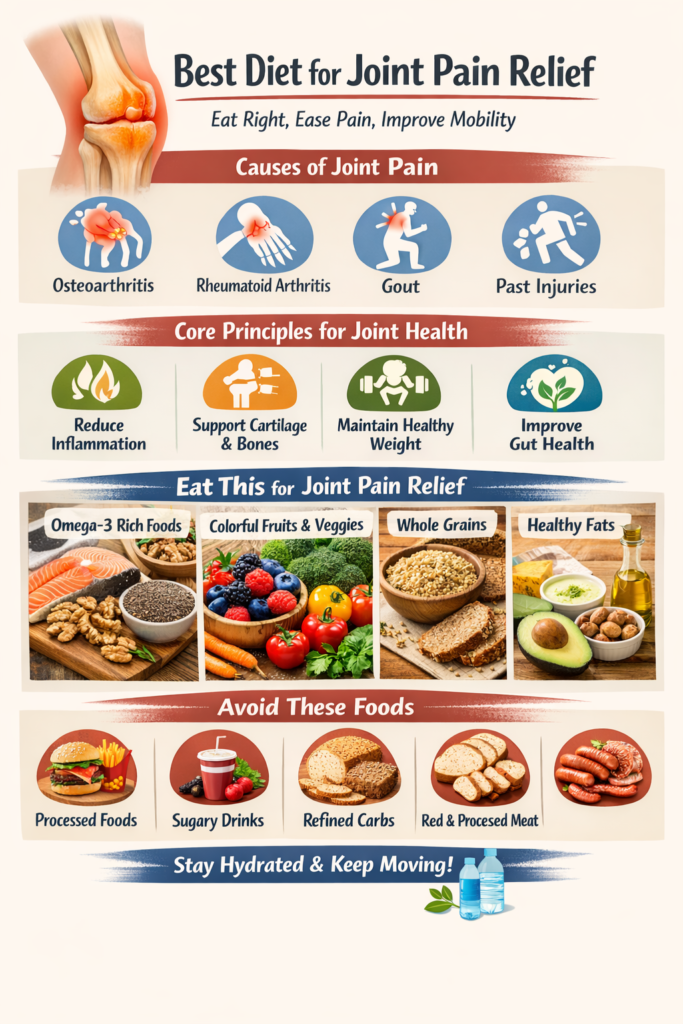
Joint pain is discomfort, stiffness, or swelling in joints, often caused by the following:
- Osteoarthritis (wear and tear of joints)
- Rheumatoid arthritis (autoimmune disease)
- Gout (uric acid buildup)
- Past injuries.
Most of these conditions are related to inflammation in the body. Certain foods promote inflammation, although others help reduce it. That’s why selecting the right joint pain relief diet can support your treatment and increase quality of life.
💡 Quick Recommendation: If you are looking for a comprehensive medical and practical roadmap to manage joint inflammation, “The Complete Arthritis Health, Diet Guide, and Cookbook” is an essential resource featuring 125 targeted recipes for arthritis relief.
Key Principles of a Joint Pain Relief Diet:
A good diet for joint pain focuses on:
1. Abatement of inflammation (anti-inflammatory foods)
2. Good cartilage and bones.
3. Maintaining healthy weight (low pressure on joints)
4. Improved overall immune and gut health.
Core Principles
- Eat extra whole foods and fewer processed foods.
- Emphasis on colorful vegetables and fruits.
- Select healthy fats over saturated and trans fats.
- Limit sugar, refined carbs, and deep-fried foods.
Best Foods for Joint Pain Relief:
1. Fatty Fish and Omega-3-Rich Foods
Fatty fish contains omega-3 fatty acids, which have strong anti-inflammatory properties.
Examples:
- Salmon
- Mackerel
- Sardines
- Herring
- Trout
If you don’t eat fish, plant-based omega-3 sources include chia seeds, flaxseeds, and walnuts.
Benefits for joints:
- Decrease inflammation
- May decrease morning stiffness
- Care for heart health, which also benefits flow to joints.A study cited by Harvard Health Publishing confirms that a Mediterranean-style diet, rich in omega-3 fatty acids, acts as a natural defense against systemic inflammation and joint cartilage breakdown. Furthermore, the Arthritis Foundation recommends the Mediterranean diet as the ‘gold standard’ for patients suffering from osteoarthritis and rheumatoid arthritis.
2. Colorful Fruits and Vegetables
Fruits and vegetables are rich in antioxidants that fight inflammation and protect cells from loss.
Great options:
- Berries: blueberries, strawberries, raspberries
- Citrus fruits: oranges, lemons, grapefruit
- Leafy greens: spinach, kale, Swiss chard
- Cruciferous vegetables: broccoli, cauliflower, Brussels sprouts
- Others: carrots, bell peppers, beetroot
Why they help:
- High in vitamin C (supports collagen and cartilage)
- Cover polyphenols and flavonoids that protect joints
- Low in calories, useful for weight management
3. Healthy Fats and Oils
Not all fats are bad. Some fats are essential for reducing joint pain.
Best fat sources:
- Extra virgin olive oil
- Avocados
- Nuts: almonds, walnuts, pistachios
- Seeds: chia, flax, pumpkin seeds
Olive oil contains oleocanthal, a compound with anti-inflammatory effects similar to some pain-relief medicines (but safer as part of a balanced diet).
4. Whole Grains
Refined grains (like white bread) may raise inflammation, while whole grains are healthier for joint health.
Examples:
- Oats
- Brown rice
- Quinoa
- Whole wheat bread or pasta
- Barley
Benefits:
- Deliver fiber, which cares gut health; a healthy gut can benefit lower inflammation
- Assist in controlling blood sugar and sustain steady energy
5. Lean Protein Sources
Protein is essential to maintain muscle strength that supports and stabilizes joints.
Good protein choices:
- Skinless chicken and turkey
- Fish
- Eggs
- Beans and lentils
- Low-fat dairy (if tolerated)
- Tofu and other soy products
Avoid or limit processed meats like sausages, hot dogs, and salami, as they may cause inflammation.
6. Spices and Herbs with Anti-Inflammatory Effects
Some spices have natural pain-relieving and anti-inflammatory properties.
Top choices:
- Turmeric (curcumin)
- Ginger
- Garlic
- Cinnamon
You can add these to curries, teas, soups, and smoothies for regular benefits.
Turmeric is a powerful natural healer due to its active compound, curcumin. However, according to research published in PubMed Central (PMC), curcumin is poorly absorbed by the body on its own. The study confirms that combining it with piperine (found in black pepper) can increase its bioavailability by up to 2,000%. This scientific synergy ensures that your body gets the maximum anti-inflammatory benefits.
7. Hydration and Healthy Drinks
Remaining hydrated assists in maintaining the lubrication in your joints.
Best drinks:
- Plain water
- Herbal teas (ginger tea, green tea)
- Water infused with lemon, cucumber, or mint. According to medical information about joint disorders, maintaining a balanced diet and healthy lifestyle can help protect joint health.
The Nutrient-Synergy Matrix for Joint Health
Relieving joint pain is not just about eating one specific food; it’s about “nutrient synergy.” Research suggests that when you combine omega-3 fatty acids with vitamin K2, the rate of inflammation reduction increases significantly.
- The Bioavailability Factor: For example, the active compound in turmeric (curcumin) is poorly absorbed by the body on its own. However, when consumed with black pepper, which contains ‘piperine,’ the absorption increases by up to 2,000%.
- The Hydration Link: Cartilage between your joints is composed of roughly 80% water. Therefore, maintaining high hydration levels alongside an anti-inflammatory diet is a critical priority for joint lubrication and pain management.
To support your joint health with simple, stress-free meals, check out “Super Easy Anti-Inflammatory Diet Cookbook for Beginners” for science-backed recipes that soothe inflammation and relieve pain.
Foods to Avoid If You Have Joint Pain:
Some foods may worsen inflammation and make joint pain extra severe.
1. Processed and Fast Foods
- Burgers, fries, pizza
- Packaged snacks (chips, crackers)
- Ready-made frozen meals
These are frequently high in trans fats, sodium, and additives that encourage inflammation.
2. Sugary Foods and Drinks
- Sodas
- Sweetened juices
- Desserts (cakes, pastries, cookies)
Too much sugar can grow inflammatory markers and contribute to weight gain and put additional pressure on your joints.
3. Refined Carbohydrates
- White bread
- White pasta
- White rice
- Sugary breakfast cereals
These can cause blood sugar spikes and increase inflammation over time.
4. Excess Red and Processed Meat
- Fatty beef
- Bacon
- Sausages
- Deli meats
They may contain saturated fats and advanced glycation end products (AGEs), which are related to increased inflammation.
5. Excess Salt
Very high salt intake can lead to water retention and may worsen swelling and discomfort, particularly in people with arthritis or joint problems.
7-Day Diet Plan for Joint Pain Relief:
A simple and flexible weekly plan you can adapt to your needs is stated below. Always consider your medical conditions (e.g., diabetes, kidney issues), and talk to your doctor if needed.
7-Day Sample Meal Plan
| Day | Breakfast | Lunch | Dinner |
|---|---|---|---|
| Day 1 | Oatmeal with Walnuts & Berries | Grilled Salmon with Spinach Salad | Turmeric Roasted Chicken & Veggies |
| Day 2 | Greek Yogurt with Chia Seeds | Quinoa & Roasted Mediterranean Veggies | Baked Trout with Steamed Broccoli |
| Day 3 | Smoothie (Spinach, Ginger, Pineapple) | Lentil Soup with Whole Grain Bread | Grilled Tofu with Stir-fry Vegetables |
| Day 4 | Boiled Eggs & Sliced Avocado | Tuna Salad with Olive Oil Dressing | Stuffed Bell Peppers with Brown Rice |
| Day 5 | Chia Pudding with Almonds | Chickpea & Avocado Smash Toast | Baked Cod with Asparagus |
| Day 6 | Buckwheat Pancakes with Blueberries | Kale & White Bean Soup | Grilled Shrimp with Zucchini Noodles |
| Day 7 | Mashed Sweet Potato with Pecans | Warm Vegetable Salad with Ginger | Slow-cooked Beef & Vegetable Stew |
This plan includes omega-3-rich foods, fiber, antioxidants, and healthy fats, all of which are helpful for joint health.
Want to save this guide for later? Download the PDF version below
Comparison: Good vs Bad Foods for Joint Pain: Joint-Friendly vs Joint-Harming Foods
| Joint-Friendly Foods (Good) | Joint-Harming Foods (Bad) |
|---|---|
| • Fatty Fish: Salmon, sardines, and mackerel (rich in omega-3). | • Refined Sugars: Candy, sodas, and sugary pastries. |
| • Berries: Strawberries, blueberries, and cherries. | • Saturated Fats: Red meat and full-fat dairy. |
| • Leafy Greens: Spinach, kale, and collard greens. | • Processed Foods: Fast food and packaged snacks. |
| • Turmeric & Ginger: Powerful anti-inflammatory spices. | • Refined Carbs: White bread and white rice. |
Lifestyle Tips to Support a Joint Pain Relief Diet:
A diet works best when joined with healthy lifestyle habits.
1. Maintain a Healthy Weight
Each extra kilogram adds more pressure on your knees and other joints. A decent diet plus light exercise assists in overcoming joint pain.
2. Stay Physically Active
Low-impact exercises are best for joint health:
- Walking
- Swimming
- Cycling
- Yoga or stretching
Always start slowly and listen to your body.
3. Get Enough Sleep
Poor sleep can increase pain sensitivity and inflammation. Aim for 7–8 hours of quality sleep per night.
4. Avoid Smoking and Excess Alcohol
Both can increase inflammation and slow down the body’s healing processes.
1-Day Anti-Inflammatory Joint Pain Diet Examples:
Breakfast
- Oatmeal cooked in water or low-fat milk
- Topped with blueberries, walnuts, and a pinch of cinnamon
Mid-Morning Snack
- An apple
- Green tea
Lunch
- Grilled salmon
- Mixed salad (spinach, tomatoes, cucumber, carrots) with olive oil dressing
- Small serving of brown rice
Evening Snack
- Yogurt with chia seeds
Dinner
- Lentil soup
- Steamed broccoli and carrots
- Whole-grain bread slice
This type of day is rich in fiber, healthy fats, and antioxidants while avoiding processed and sugary foods.
Joint-Friendly Grocery Checklist (Expert Guide)
When visiting the grocery store, follow this professional checklist to ensure your kitchen is stocked with high-quality, anti-inflammatory options:
- Frozen vs. Fresh: Frozen berries often retain more antioxidants than fresh ones because they are flash-frozen at peak ripeness.
- Oil Selection: Always prioritize “cold-pressed” extra virgin olive oil. Avoid heat-processed vegetable oils, as they can trigger inflammatory responses.
- Seed Power: Incorporate chia and flax seeds as permanent staples in your pantry for plant-based omega-3s.
- The “Avoid” List: Strike out refined white sugar and processed flours from your shopping list to prevent sudden joint flare-ups.
To ensure long-term joint health, experts at the Mayo Clinic emphasize that lifestyle modifications such as weight management and low-impact exercise are crucial. These interventions, when combined with proper nutrition, are the key to maintaining cartilage integrity and managing conditions like arthritis by reducing systemic inflammation.
Conclusion
The best diet for joint pain relief focuses on:
- Eating extra anti-inflammatory foods like fatty fish, fruits, vegetables, whole grains, nuts, and seeds.
- Decreasing processed foods, sugar, refined carbs, and unhealthy fats
- Sustaining a healthy weight and staying active
Food is not a magic cure, but with reliable healthy choices, you can decrease inflammation, ease pain, and protect your joints in the long term. Combine this diet with your doctor’s advice, exercise, and proper rest for the best results.
FAQs:
1. Can diet really reduce joint pain?
Yes. Diet can considerably impact inflammation levels in the body. Eating more anti-inflammatory foods and avoiding inflammatory ones can help reduce pain and stiffness over time, especially when combined with exercise and medical treatment.
2. How long does it take to see improvement from a joint pain diet?
It varies from person to person. Some people notice changes in 2–4 weeks, while for others it may take a few months. Consistency is key; small improvements add up over time.
3. Are dairy products good or bad for joint pain?
It depends on your body. Some people tolerate low-fat yogurt and milk well and benefit from the calcium and protein. Others may feel more joint pain or digestive issues with dairy. You can observe your symptoms or discuss them with a doctor or nutritionist.
4. Is coffee bad for arthritis or joint pain?
Moderate coffee intake (1–2 cups a day) is usually fine for most people. However, too much caffeine can affect sleep and may cause inflammation for some individuals. If you notice worsening symptoms, try reducing your coffee intake.
5. Which oil is best for cooking if I have joint pain?
Extra virgin olive oil is one of the best options due to its anti-inflammatory properties. You can also adapt small amounts of other healthy oils like canola oil. Avoid repeatedly heated or reused oils and deep-frying.
6. Can weight loss alone reduce joint pain?
Yes, particularly for weight-bearing joints like knees and hips. Even losing 5–10% of body weight can significantly decrease joint pressure and pain.
Medical Disclaimer & Professional Note
Daily Best Knowledge is dedicated to providing well-researched and credible information to help you improve your lifestyle. However, please note the following:
- For Educational Purposes Only: The dietary suggestions and nutritional information provided in this article are for general educational purposes and should not be treated as professional medical advice, diagnosis, or treatment.
- Consult a Specialist: Every individual’s body reacts differently to certain foods. We highly recommend consulting with a qualified doctor or a certified nutritionist before making significant changes to your diet, especially if you have underlying health conditions or are on medication for joint pain.
- Accuracy Commitment: While we strive for 100% accuracy based on current nutritional research, medical standards and dietary guidelines can evolve. Always cross-reference this information with the latest health protocols. “A healthy gut is the foundation of overall wellness. If you want to boost your health further, check out our guide on 5 Easy Ways to Improve Digestion Naturally.”
Sources & Scientific References:
- Harvard Health Publishing: Joint pain management and the role of anti-inflammatory diets in reducing systemic inflammation.
- Arthritis Foundation: Detailed guidelines on the Mediterranean diet as a gold standard for osteoarthritis and rheumatoid arthritis patients.
- PubMed Central (PMC): Research on omega-3 fatty acids and their direct impact on inhibiting inflammatory cytokines in human joints.
- MedlinePlus (U.S. National Library of Medicine): Joint Disorders and Health Management Protocols.
- Mayo Clinic: Professional insights on lifestyle modifications and nutritional interventions for long-term cartilage integrity.
Recommended Books:
(1) Name of the Book: “Super Easy Anti-Inflammatory Diet Cookbook for Beginners: Effortless, Science-Backed & Tasty Recipes to Soothe Inflammation, Boost Immunity, Relieve Pain, and Restore Your Health!“
(by: Ella Grace Thompson)
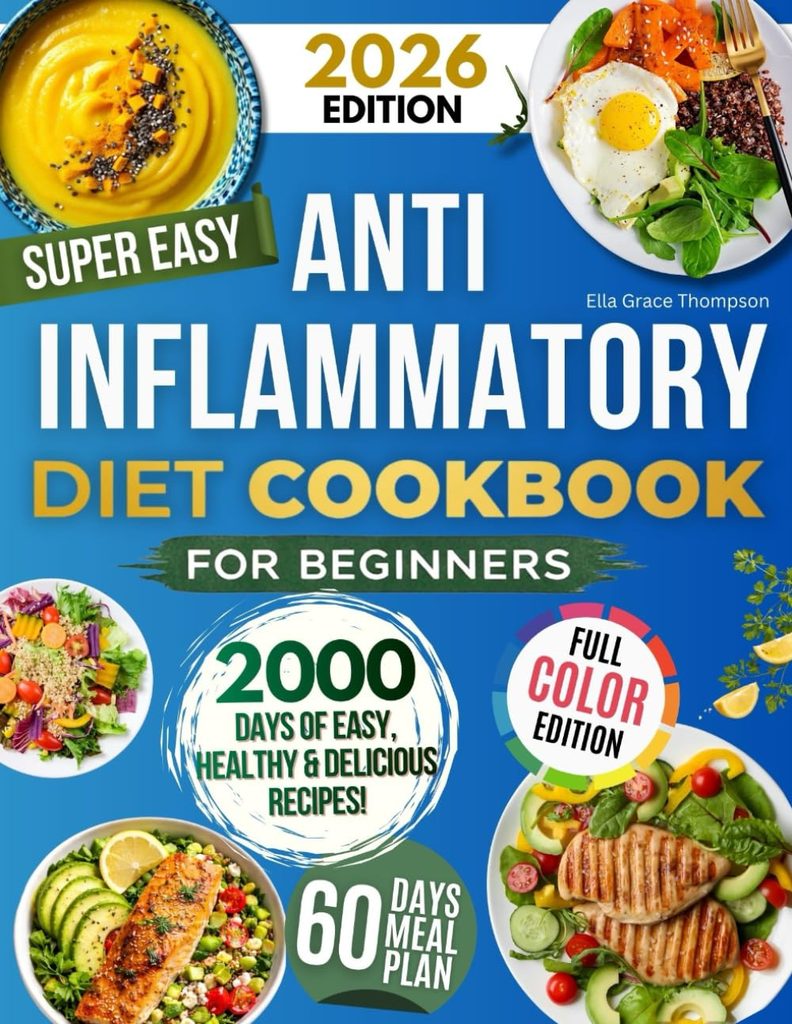
Overview of the Book:
STOP INFLAMMATION AT THE SOURCE—AND START FEELING BETTER FAST.
Simple, Science-Backed Meals That Help Reduce Pain, Boost Energy, and Restore Your Health—Now in Full Color
If you’re tired of constant aches, low energy, digestive issues, or feeling inflamed no matter what you eat, this cookbook was created for you.
The Super Easy Anti-Inflammatory Diet Cookbook for Beginners gives you a clear, stress-free path to healing through food—without complicated rules, extreme restrictions, or boring meals. Designed specifically for beginners, it shows you how to calm inflammation and support your body with simple, flavorful recipes you’ll actually enjoy making and eating.
What You’ll Gain from This Cookbook
Effortless, Beginner-Friendly Recipes
Straightforward, step-by-step instructions that make anti-inflammatory cooking easy—even if you’ve never followed a special diet before.
Science-Backed Anti-Inflammatory Nutrition
Every recipe is built around proven principles that help reduce inflammation, support immune health, and promote overall balance.
Less Pain, More Energy, Better Days
Learn how to use the right foods to ease joint discomfort, fight fatigue, support digestion, and restore steady, lasting energy.
Delicious Meals—Never Bland or Restrictive
Enjoy a wide variety of satisfying, flavor-packed recipes that make healthy eating enjoyable and sustainable.
60-Day Meal Plan Included
Eliminate guesswork with a complete two-month meal plan that shows you exactly what to eat to stay consistent and confident from day one.
Now in Full Color
Beautiful, full-color pages make every recipe easier to follow and more inspiring to prepare.
This Isn’t Just a Diet—It’s a Practical Way to Feel Like Yourself Again
The Super Easy Anti-Inflammatory Diet Cookbook for Beginners helps you take control of your health with simple choices that add up to real, lasting results.
Start reducing inflammation, increasing energy, and supporting your body the natural way—one easy, delicious meal at a time.
(2) Name of the Book: “The Complete Anti-Inflammatory Diet for Beginners: A No-Stress Meal Plan with Easy Recipes to Heal the Immune System”
(by : Dorothy Calimeris)
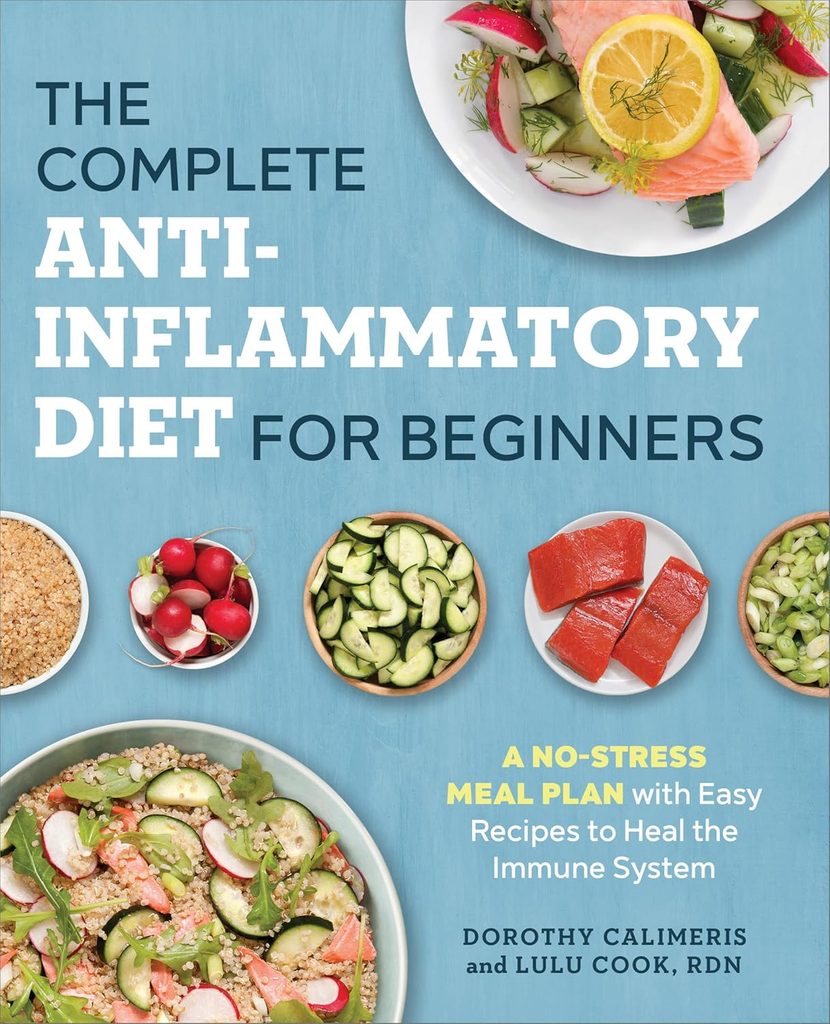
Overview of the Book:
Chronic inflammation doesn’t have to control your life―and you don’t need complicated recipes or expensive ingredients to fight it.
This beginner-friendly guide shows you exactly how to reduce inflammation through simple dietary changes that actually fit into your real life. No overwhelm, no confusion―just a clear 2-week plan, easy recipes, and the science-backed food choices that can help you feel better fast.
Inside, you’ll find everything you need to start eating in a way that supports your immune system, eases joint pain, and helps you wake up with more energy. Written by a registered dietitian and backed by medical expertise, this isn’t about restriction―it’s about discovering how good you can feel when you give your body what it needs.
What you’ll get:
- A complete 2-week meal plan with daily shopping lists (zero guesswork about what to eat or buy)
- 75+ quick recipes using 5 main ingredients or fewer―most ready in 30 minutes or less
- Clear anti-inflammatory foods list showing exactly what helps and what hurts
- Guidance from a registered dietitian on how inflammation works and why these foods matter
- Make-ahead options and batch cooking tips for busy schedules
- Recipe labels for common dietary needs and allergen accommodations
Perfect for: Anyone new to anti-inflammatory eating, busy people who need simple meal solutions, those managing chronic pain or autoimmune conditions, and anyone tired of feeling tired. No advanced cooking skills required―if you can roast chicken or toss a salad, you can do this.
This isn’t a temporary diet. It’s a sustainable way of eating that becomes easier the more you do it, with recipes you’ll actually want to make again.
(3) Name of the Book: “The Complete Arthritis Health, Diet Guide and Cookbook: Includes 125 Recipes for Managing Inflammation and Arthritis Pain“
(by : Kim Arrey, BSc, RD)
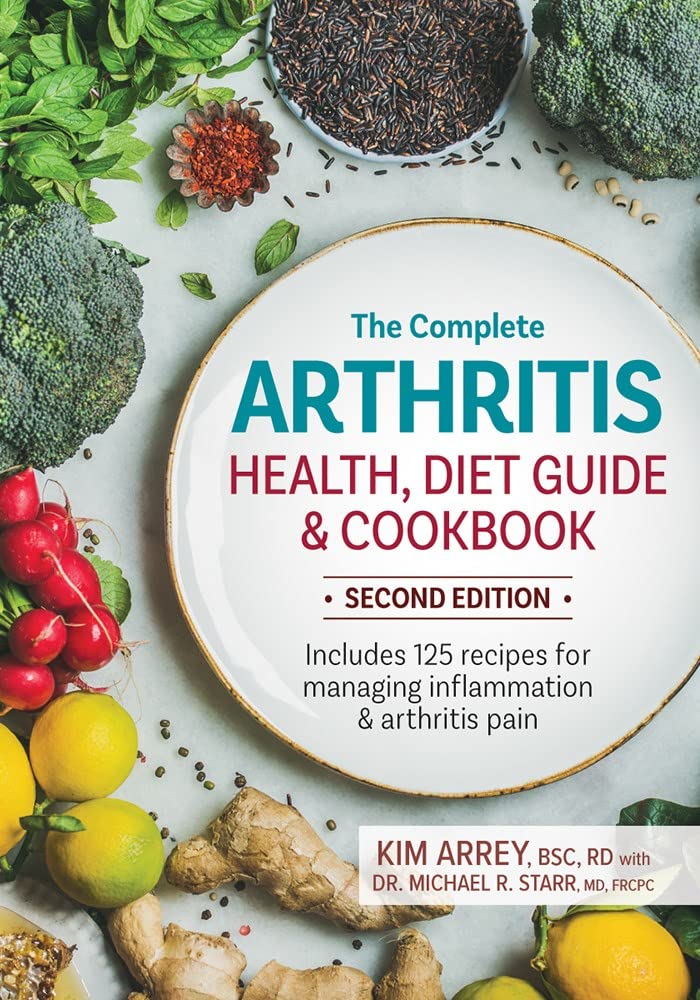
Overview of the Book:
Chronic inflammation doesn’t have to control your life―and you don’t need complicated recipes or expensive ingredients to fight it.
This beginner-friendly guide shows you exactly how to reduce inflammation through simple dietary changes that actually fit into your real life. No overwhelm, no confusion―just a clear 2-week plan, easy recipes, and the science-backed food choices that can help you feel better fast.
Inside, you’ll find everything you need to start eating in a way that supports your immune system, eases joint pain, and helps you wake up with more energy. Written by a registered dietitian and backed by medical expertise, this isn’t about restriction―it’s about discovering how good you can feel when you give your body what it needs.
What you’ll get:
- A complete 2-week meal plan with daily shopping lists (zero guesswork about what to eat or buy)
- 75+ quick recipes using 5 main ingredients or fewer―most ready in 30 minutes or less
- A clear anti-inflammatory foods list showing exactly what helps and what hurts
- Guidance from a registered dietitian on how inflammation works and why these foods matter
- Make-ahead options and batch cooking tips for busy schedules
- Recipe labels for common dietary needs and allergen accommodations
Perfect for: Anyone new to anti-inflammatory eating, busy people who need simple meal solutions, those managing chronic pain or autoimmune conditions, and anyone tired of feeling tired. No advanced cooking skills required―if you can roast chicken or toss a salad, you can do this.
This isn’t a temporary diet. It’s a sustainable way of eating that becomes easier the more you do it, with recipes you’ll actually want to make again.